AI does the busywork. You keep the thinking.
Half the job is deciding what not to automate.
You have the tools. Maybe you even have a few people making progress on their own. But for most professionals I work with, AI still means copy-pasting between tabs and using someone else's prompts. And the hard part is sorting your week: what AI runs, what it drafts for you to approve, and what stays yours because that's where the thinking happens. I help you sort it, then build it.
Hi, I’m Louise
I’m the founder of Cleverest. I build AI workflows for my own work and everyday life, then teach the ones that hold up. You’ll find the practical details in my tutorials, courses, and newsletter.
Four modes of AI work
Chat
You ask, AI answers. Useful for one-off questions and exploratory thinking, but it still feels like a search engine.
Context
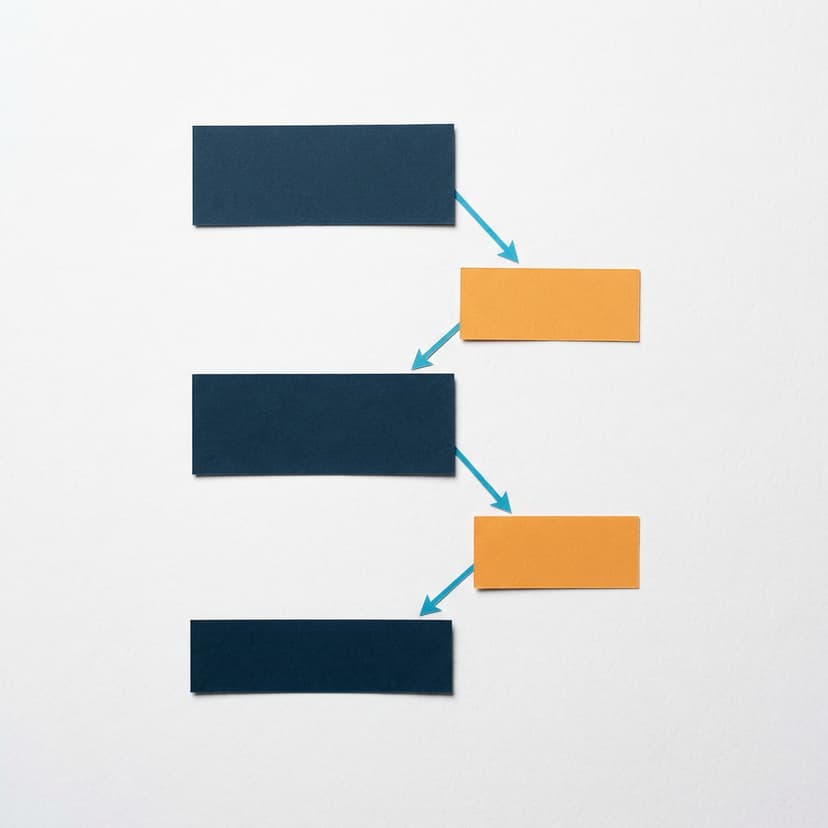
Custom assistants that know your work. Tailored for recurring writing, editing, and planning — but you're still driving every interaction.

Automation
AI handles defined tasks in the background — monitoring, reporting, prep that follows a pattern. You review and approve.

Colleague
AI operates as a team member, making calls within boundaries you've set. Best for high-volume creative work where you can articulate what good looks like.
How I take you where you want to go
Map
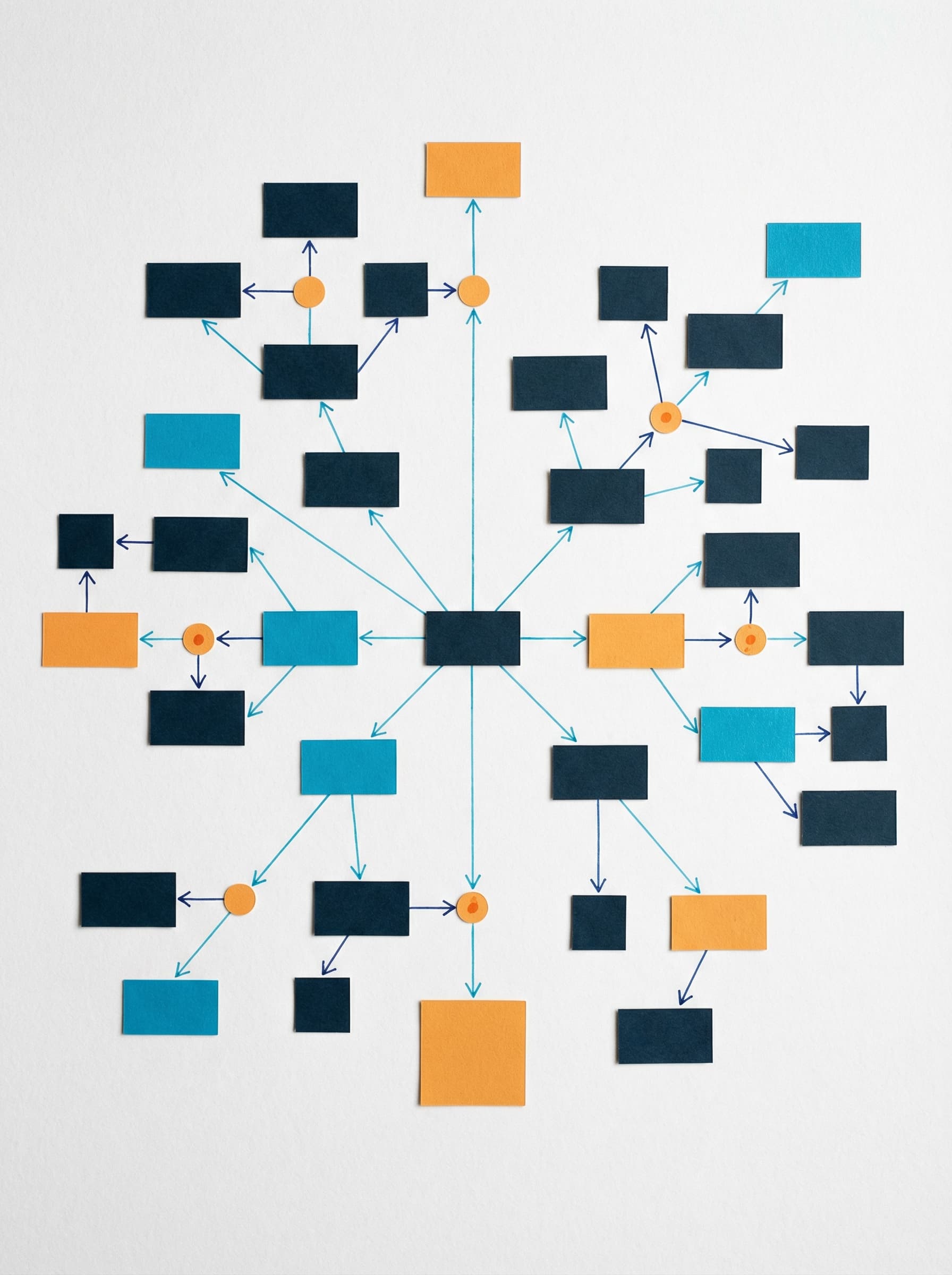
Before we touch any AI tool, we map your workflows. Starting with the repetitive workflows that everyone wishes they could delegate, we lay out the tasks required and answer key questions. Where does data come from? Where does output go? What’s the work that eats your week but doesn’t use your best thinking?
Test
We start small. Maybe it’s one task (a real one, with real data) where we test the best way to get AI on the playing field. Maybe it’s a short series of tasks with clear checkpoints where you review and approve before anything goes further.

Integrate
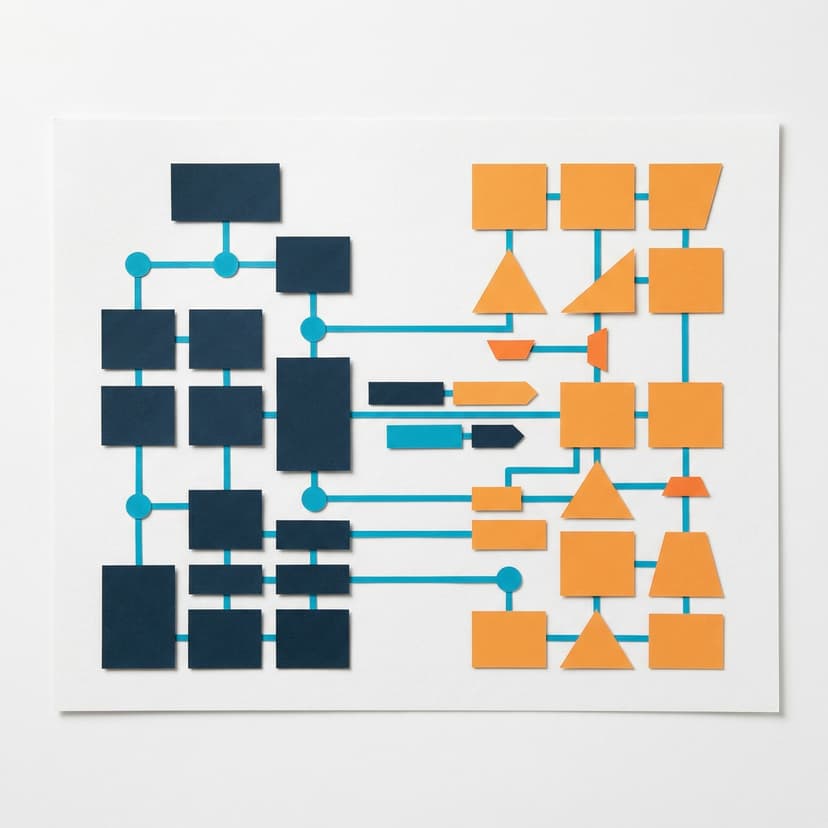
Once you know what works, we connect and expand. We plug into your tools and data sources. We make it accessible to everyone who needs it and flesh out your quality standards. This is when it stops being a side experiment and becomes part of how your team actually operates.
Compound
Much like a trusted colleague, your AI-powered system should get better and better the longer you work with it. We will build in a continuous improvement loop so feedback gets routed back to the system and the outcomes improve the more you use it.
Three ways in
Free tutorials
My video tutorials and guides put my process to work on real tasks for all modes from Chat to Colleague. Get practical AI for knowledge workers who hate hype.

Online courses
Free webinars and self-paced courses, all online. You leave with your own workflow running.
Work with me
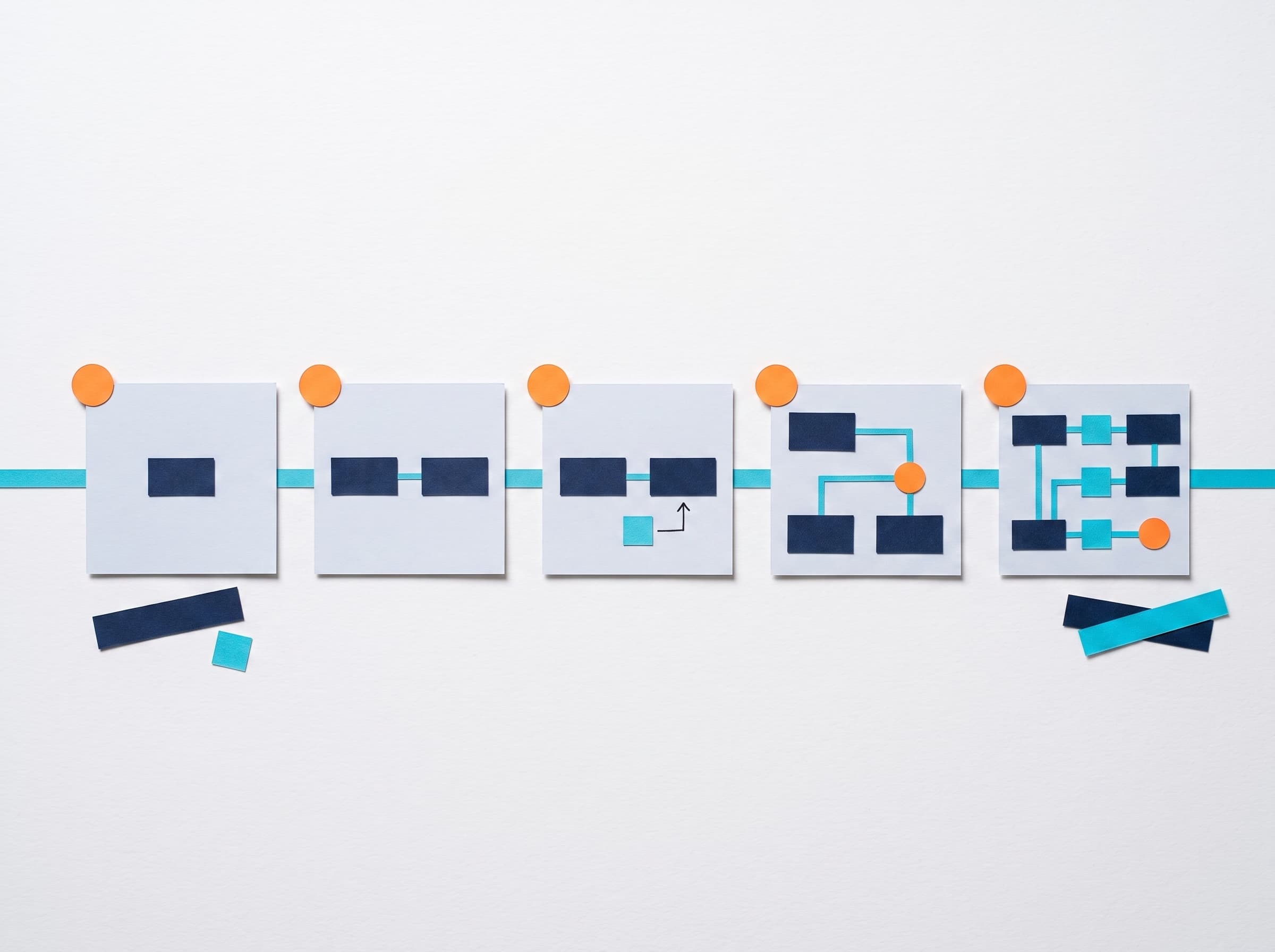
Sessions for teams and groups, plus a limited number of 1:1s. We map one workflow, decide which parts AI runs and which stay human, and you leave with the first piece running.
What people are saying